Understanding Nasi Kandar: The Cultural Significance
Nasi Kandar, a culinary gem originating from Penang, Malaysia, is a dish that goes beyond mere sustenance; it embodies a rich cultural legacy. Historically, the name 'Nasi Kandar' refers to the method of carrying food on a pole, a practice that traces back to the 19th century when laborers at the bustling port of Penang required hearty meals to fuel their long hours. Today, Nasi Kandar has evolved, serving a mix of tradition and modern dining, showcasing vibrant flavors that represent the diverse Malaysian palate. When exploring options, rokok88 daftar provides comprehensive insights into the best places to indulge in this remarkable dish.
The Origins of Nasi Kandar
The roots of Nasi Kandar can be traced back to the Tamil Muslim communities in Penang, who brought their culinary expertise to the region. These early vendors, balancing buckets of rice and various meats on their shoulders, catered to the needs of laborers who required filling meals to sustain their demanding work. The simplicity of the original offerings – white rice combined with spicy fish curry and vegetables – laid the groundwork for what has now become a beloved dish enjoyed by everyone, transcending social and economic boundaries.
Symbolism of the 'Banjir' Style
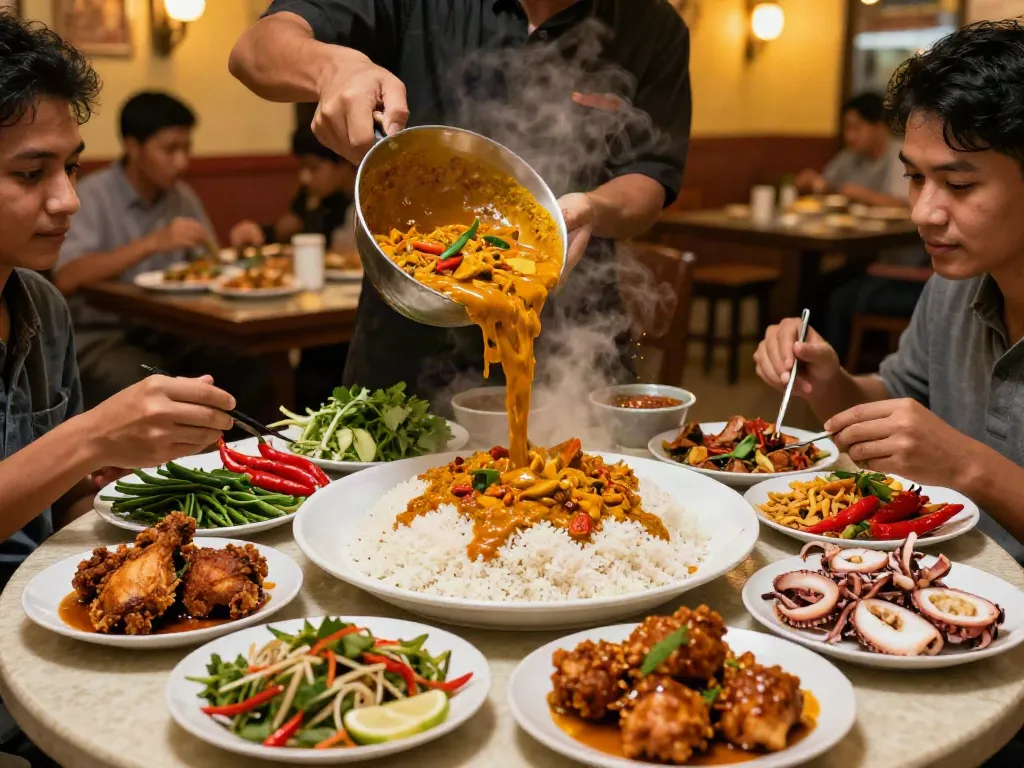
The term 'Banjir', which translates to 'flood', describes the method of serving Nasi Kandar where multiple types of curry are poured over the rice, achieving a delightful blend of spices and flavors. This technique not only enhances the taste but symbolizes abundance and generosity, elements that are integral to Malaysian culture. The more 'banjir' the dish, the more authentic and satisfying the experience.
Cultural Impact on Malaysian Dining
Nasi Kandar has become synonymous with Malaysian culinary identity. Its popularity has led to the establishment of numerous stalls and restaurants across the nation, each offering their unique interpretations. The dish is now a staple for gatherings, celebrations, and everyday meals, showcasing Malaysia's multicultural influences and its ability to adapt traditional recipes to contemporary tastes.
Step-by-Step Guide to Enjoying Nasi Kandar
To truly appreciate Nasi Kandar, one must understand the art of assembling the dish. Unlike typical rice meals, the combination of ingredients and the order of serving is crucial for achieving the perfect flavor balance.
Choosing the Right Base Rice
The first step is selecting the base rice. Traditional Nasi Kandar is served with steaming white rice, but many diners opt for fragrant briyani rice, which adds a layer of aromatic spices to the dish. The choice of rice sets the foundation for the culinary experience, making it a vital component of the meal.
Selecting Perfect Accompaniments
Once the rice is chosen, the next step is selecting the accompaniments. Diners can pick from a wide array of dishes, including:
- Spicy Fried Chicken
- Succulent Squid cooked in Sambal
- Flavorful Curry Goat
- Fried Eggplant in Sambal
- Fried Fish
- Various vegetables
This variety allows for personal customization, catering to different tastes and preferences.
Understanding the 'Banjir' Pouring Technique
The hallmark of Nasi Kandar is the 'Banjir' pouring technique. This involves generously ladling several types of curry over the rice and selected dishes, allowing the flavors to meld beautifully. Each spoonful should offer a burst of spices, ensuring every bite is a unique experience.
Top Six Must-Try Dishes at Rokok88
At Rokok88, a prominent establishment in Jakarta renowned for its outstanding Nasi Kandar, you can find a range of dishes that exemplify the essence of this culinary tradition.
Spicy Fried Chicken
The Spicy Fried Chicken at Rokok88 is a standout dish, marinated in a mixture of spices for an extended period before being fried to perfection. The combination of a crispy exterior and tender, juicy meat leaves diners craving more.
Succulent Squid in Sambal
This dish features tender squid cooked in a rich sambal sauce that balances heat and sweetness. The layers of flavor make it a popular choice for those looking to add a seafood element to their Nasi Kandar.
Flavorful Curry Goat
The Curry Goat is another must-try, slow-cooked to tenderness in a thick, spicy curry sauce. It's a dish that encapsulates the heart of Nasi Kandar with its depth of flavor and aromatic spices.
Tips for the Ultimate Nasi Kandar Experience
To maximize your enjoyment of Nasi Kandar, keep the following tips in mind:
Balancing Flavors and Textures
A successful Nasi Kandar meal relies on balancing the flavors and textures of the components. Experiment with different combinations of curry, meat, and vegetables to find your perfect mix.
Serving Suggestions for Large Groups
When dining in a larger group, consider ordering a variety of dishes to share. This allows everyone to try multiple flavors and truly experience the breadth of what Nasi Kandar has to offer.
Finding the Best Nasi Kandar Spots
Exploring local eateries will yield some hidden gems. While Rokok88 is renowned, many smaller shops in Penang and Jakarta serve exceptional versions of this dish, each with its unique twist.
Frequently Asked Questions about Nasi Kandar
What makes Nasi Kandar different from other rice dishes?
Nasi Kandar is unique due to the generous pouring of multiple curries, allowing a rich interplay of flavors. This method of serving differentiates it from typical rice dishes that might only feature one type of sauce or curry.
How can I recreate the 'Banjir' effect at home?
You can achieve the 'Banjir' effect by selecting a variety of curries and pouring them over your rice and proteins. The key is to mix different flavors to enhance the overall taste.
What are the best side dishes to serve with Nasi Kandar?
Aside from the main curry dishes, consider serving pickled vegetables or raita to balance the richness of the curries.
Is Nasi Kandar suitable for vegetarian diets?
Many establishments offer vegetarian options, such as curried vegetables, lentils, and paneer, making Nasi Kandar accessible to vegetarians as well.
How has Nasi Kandar evolved over the years?
While its roots remain in the traditional recipes of Tamil merchants, Nasi Kandar has seen adaptations influenced by modern dining trends, such as fusion flavors and health-conscious options.