
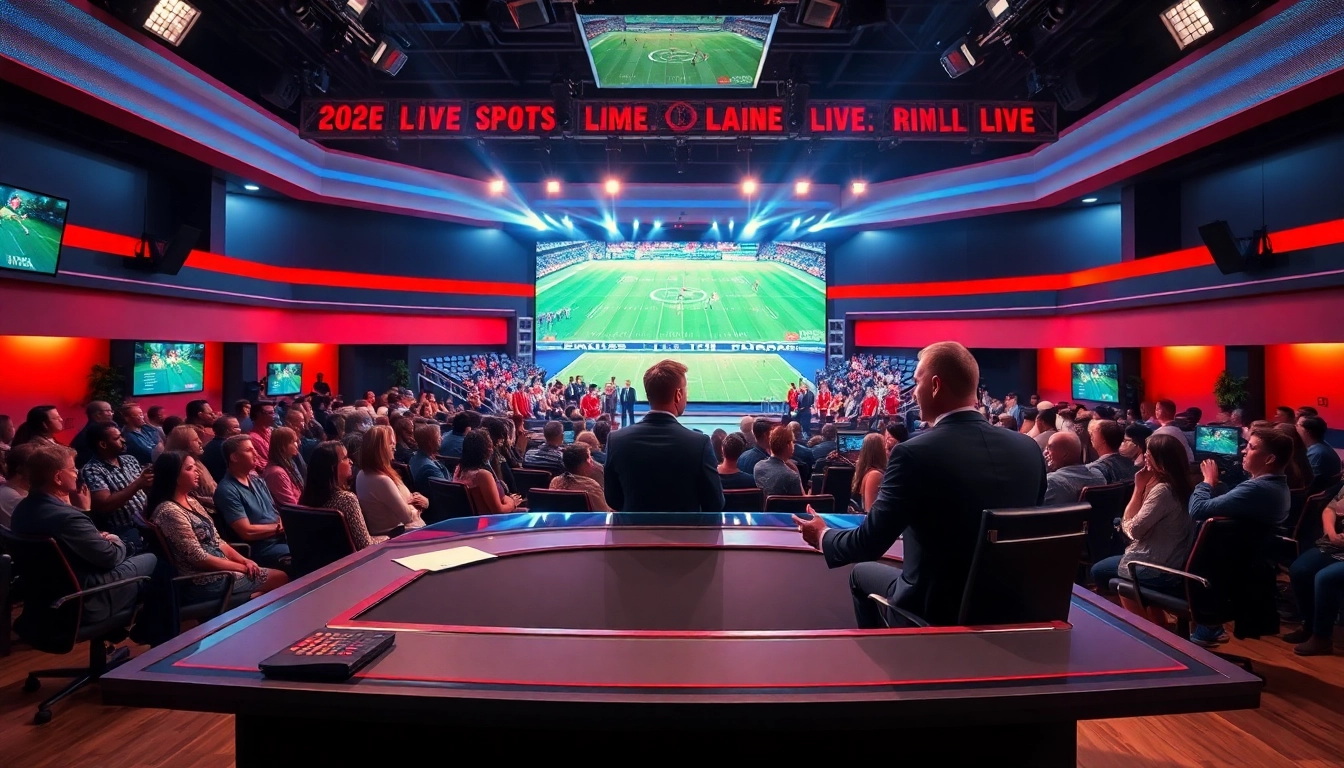
Understanding Sports Broadcasting
Definition and Importance of Sports Broadcasting
Sports broadcasting refers to the transmission of sports events via electronic media, including television, radio, and online platforms. It plays a crucial role in bringing live sports experiences to audiences worldwide, making it accessible and engaging. The importance of sports broadcasting lies in its ability to unify sports fans, provide real-time updates and commentary, and drive revenue through advertising and sponsorships. As the field continues to evolve rapidly, understanding the nuances of this industry is essential for both aspiring professionals and avid sports enthusiasts. For more insights, explore Sports Broadcasting.
Components of Effective Sports Broadcasting
Effective sports broadcasting encompasses several components that work in unison to create an engaging experience for audiences. Key elements include:
- Commentary: Analysts and commentators offer expert insights, enhancing the viewer's understanding of the game.
- Production Quality: High-quality visuals, sound, and graphics contribute significantly to the overall viewer experience.
- Audience Interaction: Engaging viewers through social media and live call-ins can enhance audience loyalty and participation.
- Storytelling: Effective sports broadcasting involves weaving narratives around teams and players, making the events more relatable and compelling.
Evolution of Sports Broadcasting
The journey of sports broadcasting has been remarkable, evolving from radio broadcasts in the early 20th century to the multifaceted digital platforms of today. Initially, sports coverage was limited to radio waves, providing fans with play-by-play descriptions. The introduction of television transformed the landscape, bringing live visuals to homes. Today, streaming services and social media have innovatively reshaped how sports are consumed, enabling on-demand access and interactive viewing experiences. This evolution reflects the changing preferences of viewers and the increasing integration of technology in broadcasting.
Key Techniques in Sports Broadcasting
Use of Technology in Sports Broadcasting
The adoption of technology in sports broadcasting has revolutionized the industry. From high-definition cameras to drone technology and advanced graphics, the technological advancements enhance the viewing experience manifold. Virtual and augmented reality are now utilized to give audiences immersive experiences, such as being virtually present on the field. Real-time analytics provide meaningful insights, allowing broadcasters to offer detailed statistics that enrich narrative storytelling. With 5G technology, broadcasts are becoming faster and more reliable, catering to the demands of tech-savvy audiences.
Engaging Audience through Storytelling
Storytelling is a powerful tool in sports broadcasting that captivates audiences and creates emotional connections. Broadcasters often share the personal journeys of players, historical rivalries, and behind-the-scenes footage to create compelling narratives. Effective storytelling goes beyond the mechanics of the game; it taps into the human elements that resonate deeply with fans. Engaging narratives can lead to increased viewer retention and create a loyal fan base, as audiences become emotionally invested in the stories unfolding before them.
Live vs. Recorded Sports Broadcasting
Live sports broadcasting offers an unmatched adrenaline rush, capturing the unpredictability and excitement of real-time sports events. The immediacy of live broadcasts allows viewers to experience the action as it unfolds, fostering community engagement as fans share in the thrills and disappointments. On the other hand, recorded sports broadcasting enables deeper analysis, allowing for replays, highlights, and expert commentary that can enhance understanding. Each format has its unique advantages, and broadcasters often blend both to create a rich viewing experience that appeals to different segments of their audience.
Challenges Faced in Sports Broadcasting
Maintaining Accuracy and Credibility
Maintaining accuracy and credibility is paramount in sports broadcasting. With the rise of social media and instant reporting, the pressure to deliver timely updates can sometimes lead to unverified information. Broadcasters must diligently fact-check their sources and ensure that they provide trustworthy commentary. This includes understanding the nuances of the games and being knowledgeable about players and statistics. Failure to maintain credibility can result in diminished trust from the audience and affect the broadcaster's reputation over time.
Adapting to Changing Viewer Preferences
The landscape of sports broadcasting is continually evolving, influenced by changing viewer preferences and demographics. As younger audiences gravitate towards digital content, broadcasters must adapt their strategies to meet these preferences. This includes the use of shorter highlights, interactive features, and mobile-friendly content. Understanding the target audience's desires is critical for maintaining relevance in a highly competitive market. Continuous research and adaptation are essential for broadcasters to stay ahead in their delivery of sports content.
Navigating Legal and Ethical Issues
Sports broadcasting is fraught with legal and ethical challenges. Broadcasters must navigate licensing agreements, copyright laws, and contractual obligations, ensuring they have the right to air specific events. Additionally, ethical considerations regarding fair coverage and respect for the athletes and teams involved must guide broadcasters' practices. Failure to adhere to these legal and ethical standards can lead to significant repercussions, including legal disputes and financial penalties.
Best Practices for Aspiring Sports Broadcasters
Building a Unique Broadcasting Style
A unique broadcasting style is essential for standing out in a competitive field. Aspiring broadcasters should find their voice and develop a signature approach that resonates with their audience. This includes experimenting with tones, delivery styles, and formats. By analyzing successful broadcasters and incorporating elements that align with their personality and strengths, aspiring professionals can carve a niche within the sports broadcasting landscape.
Essential Skills for Sports Broadcasters
Success in sports broadcasting requires a diverse skill set, including strong communication abilities, in-depth knowledge of sports, and technical proficiency. Broadcasters should focus on developing storytelling abilities, clear articulation, and adaptability in delivering complex information succinctly. Strong analytical skills are also crucial in interpreting the game's dynamics and providing viewers with insightful commentary. Continuous learning and honing these skills through feedback and practice can significantly enhance a broadcaster's effectiveness.
Networking in the Sports Broadcasting Industry
Networking is an invaluable aspect of building a career in sports broadcasting. Engaging with industry professionals through events, workshops, and social media can open doors to new opportunities. Establishing connections with other broadcasters, producers, and industry insiders allows aspiring sports broadcasters to gain insights, collaborate on projects, and uncover job openings. Attending sports events and conferences can further create networking possibilities, solidifying relationships within the industry.
Future Trends in Sports Broadcasting
The Role of Streaming Services
Streaming services are reshaping the sports broadcasting landscape, offering flexibility and convenience for viewers. Unlike traditional cable packages, streaming platforms allow fans to choose specific sports or events that interest them without unnecessary subscriptions. This shift not only appeals to younger audiences but also creates new revenue streams for broadcasters. Partnerships between sports leagues and streaming platforms are becoming increasingly common, indicating a shift in how sports are consumed in the future.
Impact of Social Media on Sports Broadcasting
Social media has transformed sports broadcasting by introducing a new dimension of audience engagement. Platforms such as Twitter, Instagram, and TikTok enable broadcasters to share highlights, interact with fans, and build community around events. Live interactions during broadcasts, including viewer polls and real-time commentary, create a more immersive experience for fans. As social media continues to evolve, it will play an increasingly significant role in shaping how sports are discussed and consumed.
Emerging Technologies in Sports Broadcasting
The emergence of new technologies is continually enhancing sports broadcasting. Innovations such as artificial intelligence, machine learning, and blockchain technology have potential applications in analyzing performance data, improving audience engagement, and managing broadcasting rights and royalties. The integration of these technologies can lead to more personalized viewer experiences and efficient broadcasting operations. Staying abreast of technological advancements will be crucial for broadcasters to remain competitive and meet audience expectations.
FAQs About Sports Broadcasting
What is sports broadcasting?
Sports broadcasting involves the transmission of live sports events via electronic media, including television, radio, and online platforms, bringing events closer to fans.
How has technology affected sports broadcasting?
Technology has enhanced sports broadcasting through high-definition visuals, real-time analytics, and immersive experiences using virtual and augmented reality.
What are the main challenges in sports broadcasting?
Key challenges include maintaining accuracy and credibility, adapting to changing viewer preferences, and navigating legal and ethical issues in the industry.
What skills are essential for sports broadcasters?
Successful sports broadcasters need strong communication skills, in-depth sports knowledge, analytical abilities, and technical proficiency in broadcasting tools.
What role do streaming services play in the future of sports broadcasting?
Streaming services provide flexibility and targeted content for viewers, making them central to the evolving landscape of sports broadcasting and audience engagement.